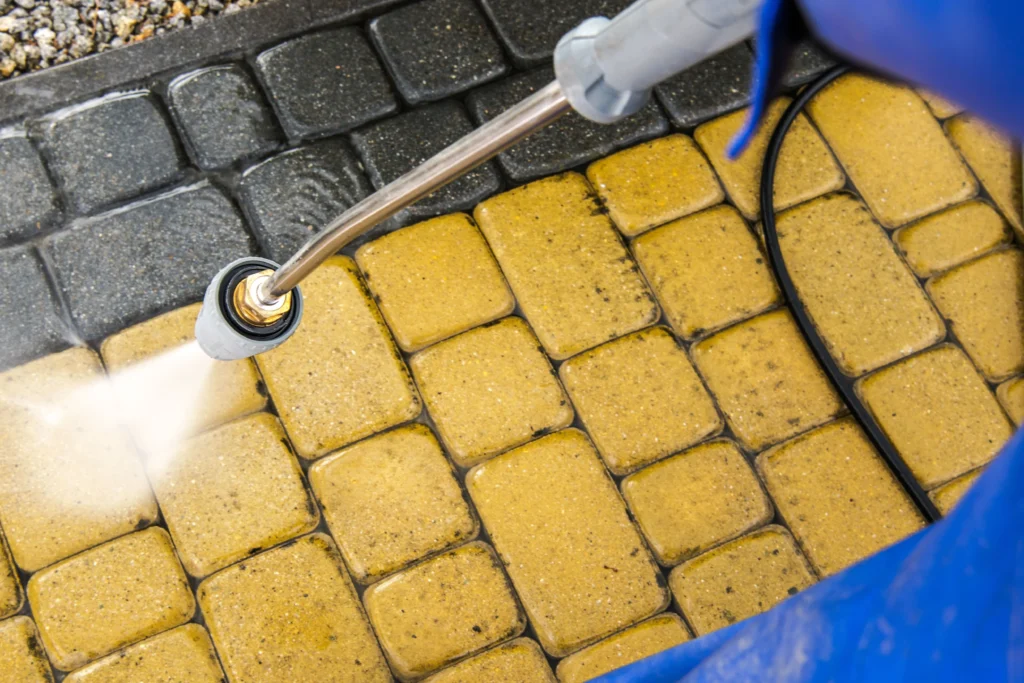
Power washing is one of the most effective ways to restore the beauty of your home’s exterior. From removing dirt and mold to preparing surfaces for painting, it delivers fast and visible results. However, when done incorrectly, pressure washing can cause serious damage to siding, wood, concrete, and even windows.
In this guide, we’ll explain the proper techniques and safety precautions to ensure power washing is done effectively — and safely.
Power washing uses high-pressure water to remove built-up grime, mildew, algae, peeling paint, and other contaminants. While powerful, the same pressure that cleans can also:
Using the correct pressure, technique, and equipment makes all the difference between a successful cleaning and costly repairs.
1. Use the Correct Pressure Level for Each Surface
Not all surfaces can handle the same amount of pressure. Adjusting PSI (pounds per square inch) is critical.
Recommended PSI ranges:
Wood decks and fences: 500–1,200 PSI
Vinyl siding: 1,200–1,500 PSI
Concrete driveways and sidewalks: 2,500–3,000 PSI
Brick: 2,000–3,000 PSI (with caution)
Using too much pressure on softer materials like wood or vinyl can lead to gouging or warping.
2. Choose the Right Nozzle
Power washers come with different nozzle tips that control spray angle and pressure intensity.
0° (Red tip): Extremely concentrated – avoid for most residential surfaces
15° (Yellow tip): Strong cleaning for concrete
25° (Green tip): General-purpose cleaning
40° (White tip): Safer for siding and delicate surfaces
Soap nozzle (Black tip): Used for applying cleaning solutions
For most home exteriors, a 25° or 40° nozzle provides effective cleaning without excessive force.
3. Maintain a Safe Distance
Holding the nozzle too close to the surface increases the risk of damage.
Best practice:
Keep the spray wand at least 12–18 inches away from the surface and test a small hidden area first.
Gradually move closer only if necessary.
Final Thoughts
Power washing is a powerful tool for maintaining your home’s appearance and preparing surfaces for exterior painting. However, safety and proper technique are essential to avoid costly damage.
Using the right pressure, nozzle, distance, and cleaning method will help you achieve a clean, refreshed exterior — without unwanted repairs.
If you’re planning to power wash your home or prepare for a painting project, consider working with experienced professionals who understand how to protect your investment while delivering outstanding results.